How to Choose the Right Aggregate for Your Project
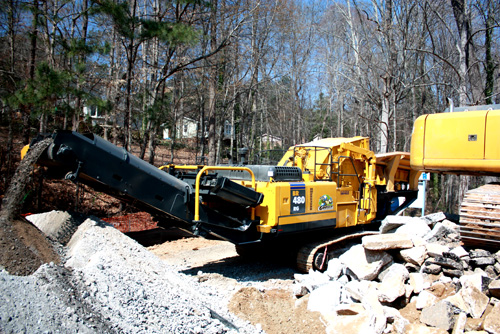
Whether you’re laying the foundation for a new building, building a driveway, or improving your property’s drainage, choosing the right aggregate is crucial for the success and longevity of your project. Aggregate—the crushed stone, gravel, and sand used in construction—forms the literal base of your work. Using the wrong type can lead to instability, poor drainage, and costly repairs down the line.
At Gorilla Materials, we specialize in high-quality recycled aggregates that offer a cost-effective and environmentally friendly alternative to virgin materials. This guide will help you understand the different types of aggregates we offer and how to select the perfect one for your needs.
Understanding the Main Types of Recycled Aggregate
Each type of aggregate has unique properties related to its size, shape, and composition. Here’s a breakdown of our most popular products:
1. Recycled ABC Stone (Aggregate Base Course)
What it is: ABC stone is a dense-graded, highly compactable mix of crushed stone and fine particles (fines). The combination of different sizes allows it to lock together tightly when compacted, creating an incredibly stable and durable foundation.
Best for:
- Road and driveway bases
- Foundations for building pads and sheds
- Parking lot bases
- Base layers for patios and walkways
2. #57 Stone (Recycled Concrete & Asphalt)
What it is: This is a “clean” stone, meaning it has been screened to remove most of the fine particles. It consists of uniformly sized pieces of crushed stone, typically around 3/4 inch. The lack of fines means there are voids between the stones, allowing water to pass through easily.
Best for:
- Drainage systems, including French drains and backfill for retaining walls
- Top layers for driveways (for a decorative finish)
- Concrete mixes
- Erosion control
3. Ballast Stone
What it is: A much larger and heavier crushed stone, typically ranging from 1.5 to 2.5 inches. Its size and weight make it ideal for heavy-duty applications that require robust support and load distribution.
Best for:
- Heavy-duty access roads for construction equipment
- Railroad ballast
- Large-scale drainage and erosion control projects
- Gabion baskets (wire cages filled with rock)
4. Screenings (Crusher Run Fines)
What it is: Screenings are the fine, dust-like particles that are a byproduct of the crushing process. This material is excellent for creating a smooth, level, and compactable surface, often used as a final leveling layer.
Best for:
- Creating a level base for pavers and flagstones
- Filling voids in walkways
- Bedding for pipes and utility trenches
A Quick Guide: What Aggregate Should I Use?
To make it even simpler, here are our recommendations based on common projects:
-
For a Driveway or Parking Lot?
- Base Layer: Recycled ABC Stone is the top choice. Its compaction properties create a solid, long-lasting foundation that prevents sinking and shifting.
- Top Layer (Optional): #57 Stone can be used as a decorative top layer over the compacted ABC base.
-
For a Drainage Solution (like a French Drain)?
- #57 Stone is the only answer. Its clean, uniform size allows water to flow through freely, which is the primary goal of any drainage system.
-
For a Patio or Walkway Base?
- Start with a solid foundation of compacted Recycled ABC Stone. Then, add a thin, level layer of Screenings on top to provide a perfectly smooth surface for setting your pavers or stones.
-
For a Heavy-Duty Construction Entrance or Access Road?
- Ballast Stone is your best bet. Its large size will hold up to heavy equipment and prevent the area from turning into mud.
Still Not Sure? We Can Help.
Choosing the right aggregate is a critical step, but it doesn’t have to be complicated. The team at Gorilla Materials has the expertise to guide you. We can help you calculate the volume you need and ensure you get the perfect material for your project’s specific requirements.
Ready to get started? Check out our full range of recycled aggregates or contact us today for a personalized quote and expert advice.